Trump Moves to Protect Gulf Shipping as Iran Threatens Hormuz.
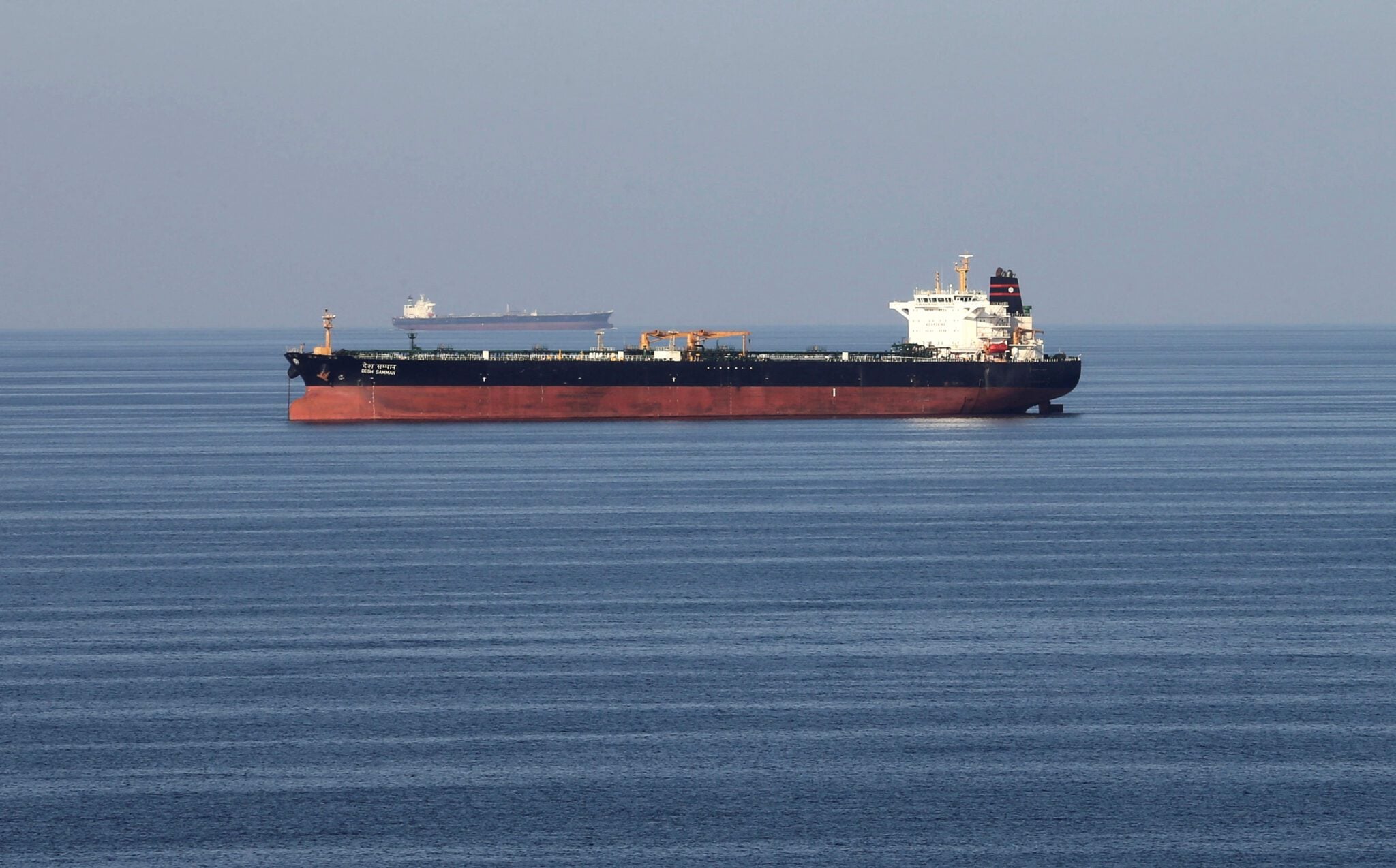
Tensions in one of the world’s most critical oil chokepoints are escalating rapidly — and markets are paying close attention. US President Donald Trump announced that the United States will provide insurance backing for ships navigating the Gulf region after Iran reportedly disrupted traffic through the Strait of Hormuz. He added that the US Navy is prepared to escort vessels through the strategic waterway if necessary.
The statement follows reports that Iran has effectively shut down large parts of the Strait of Hormuz, a narrow but vital passage through which roughly a fifth of global oil supply flows each day. According to media coverage, an Iranian official threatened to “set fire” to any ship attempting to pass through the strait, and Iranian forces have allegedly fired on multiple vessels operating in the area.
The Strait of Hormuz is not just another maritime route — it is one of the most strategically important energy corridors in the world. Any disruption to traffic there has immediate implications for oil markets, global shipping costs, inflation expectations, and broader financial stability.
President Trump’s move to offer US-backed insurance for ships is significant for two reasons. First, it aims to restore confidence among commercial shipping operators who may hesitate to enter high-risk waters without protection. Insurance premiums for vessels operating in conflict zones can skyrocket, and in extreme cases, insurers may withdraw coverage altogether. By stepping in, the US government is effectively signaling that it will absorb or mitigate part of that risk.
Second, the offer of military escort underscores the seriousness of the situation. A US naval presence accompanying oil tankers and cargo ships raises the geopolitical stakes and increases the risk of direct confrontation. While the stated goal is deterrence and protection, markets know that such moves can sometimes escalate tensions rather than calm them.
Market Reaction: Oil Jumps, Gold Wavers
Financial markets responded swiftly. West Texas Intermediate (WTI) crude oil surged more than 3% on the day, trading around $73.60. The spike reflects classic supply risk pricing — when traders fear potential disruptions to oil shipments, prices tend to rise quickly as markets build in a geopolitical risk premium.
Interestingly, Gold (XAU/USD), typically seen as a safe-haven asset during geopolitical crises, traded slightly lower on the day, down about 0.24% near $5,100. This somewhat muted reaction in Gold suggests that while oil traders are aggressively pricing in supply risk, broader markets have not yet fully shifted into “risk-off” mode.
Risk-On vs Risk-Off: Why It Matters
In financial markets, sentiment often swings between “risk-on” and “risk-off.” In a risk-on environment, investors are confident and willing to buy higher-yielding or growth-sensitive assets like stocks and commodity-linked currencies. In risk-off periods, investors rotate toward perceived safe havens such as government bonds, the US Dollar, the Japanese Yen, and the Swiss Franc.
The Strait of Hormuz situation sits at the crossroads of these two regimes. If tensions escalate further — particularly if shipping lanes are formally closed or significant military confrontation occurs — markets could quickly shift into risk-off territory. That would likely strengthen traditional safe-haven currencies and push bond yields lower, while equities could face pressure.
However, if the US naval presence successfully stabilizes shipping routes and deters further Iranian action, markets may interpret the move as restoring order, limiting broader contagion effects.
The Bigger Macro Implications
Beyond the immediate oil price reaction, there are broader macroeconomic implications. Sustained increases in oil prices can feed into higher inflation globally. For central banks already navigating complex inflation dynamics, another energy-driven price spike would complicate policy decisions.
Higher oil prices can also slow economic growth by increasing input costs for businesses and reducing disposable income for consumers. In an already fragile global environment, energy-driven shocks carry outsized consequences.
For now, traders are watching three key factors:
1. Whether Iranian military actions intensify.
2. How many ships resume passage under US protection.
3. Whether oil prices continue climbing or stabilize.
Geopolitics often moves faster than markets expect. What begins as a localized maritime security issue can quickly evolve into a broader financial catalyst.
President Trump’s pledge signals that the United States is willing to intervene directly to secure global trade routes. Whether that move ultimately calms markets or fuels further volatility will depend on how events unfold in the days ahead.
Source: FXStreet
More News
Japan’s Tokyo CPI Cools Sharply in January, Raising Fresh Questions Over BoJ Policy Path
Tokyo Inflation Slows to 1.5%, Putting BoJ Rate Outlook Back in the...
GBP/USD Breaks Four-Year Highs as US Dollar Weakens and Markets Ignore Fed Calm
GBP/USD Explodes Higher as Dollar Cracks and Cable Hits 4-Year Highs. Source :...
Trump Says the US Dollar Is “Doing Great,” but Markets Tell a Very Different Story
Trump Praises Strong Dollar as Markets Push USD to Multi-Year Lows. Source :...
EUR/USD Rallies Toward 1.1870 as Dollar Slumps on Geopolitical Tensions and FX Intervention Talk
Dollar Shaken by Geopolitics, EUR/USD Jumps Toward 1.1870Source :...
USD/JPY Climbs Toward 158.50 as Softer Japan Inflation Puts Focus on BoJ Decision
USD/JPY Rises Near 158.50 as Yen Softens Ahead of BoJ VerdictSource :...
GBP/USD Trades Sideways Above 1.3400 as Markets Brace for Key US PCE and GDP Data
GBP/USD Stalls Above 1.3400 Ahead of US Inflation and Growth DataSource :...
Gold Retreats Below $4,800 as Risk Appetite Improves After Trump Eases Europe Tariff Threat
Gold Slips Under $4,800 as Trump Signals Truce on Europe Trade TensionsSource...
USD/JPY Slips Toward 155.00 as BoJ Rate Hike Bets Grow and US Data Takes Center Stage
USD/JPY Weakens Near 155 as BoJ Hike Bets Clash With Key US Data.Source :...
USD/JPY Slips Below 153.00 as Markets Weigh Fed and BoJ Decisions Amid Renewed US-China Trade Optimism
USD/JPY Dips as Trade Hopes Meet Fed and BoJ Policy Uncertainty.Source :...
Japan’s Tokyo CPI in Focus: Inflation Data Could Set the Tone for USD/JPY Moves
Tokyo CPI Data Looms, USD/JPY Tests Critical 150 Threshold. Source :...