Gold Slips Under $4,800 as Trump Signals Truce on Europe Trade Tensions
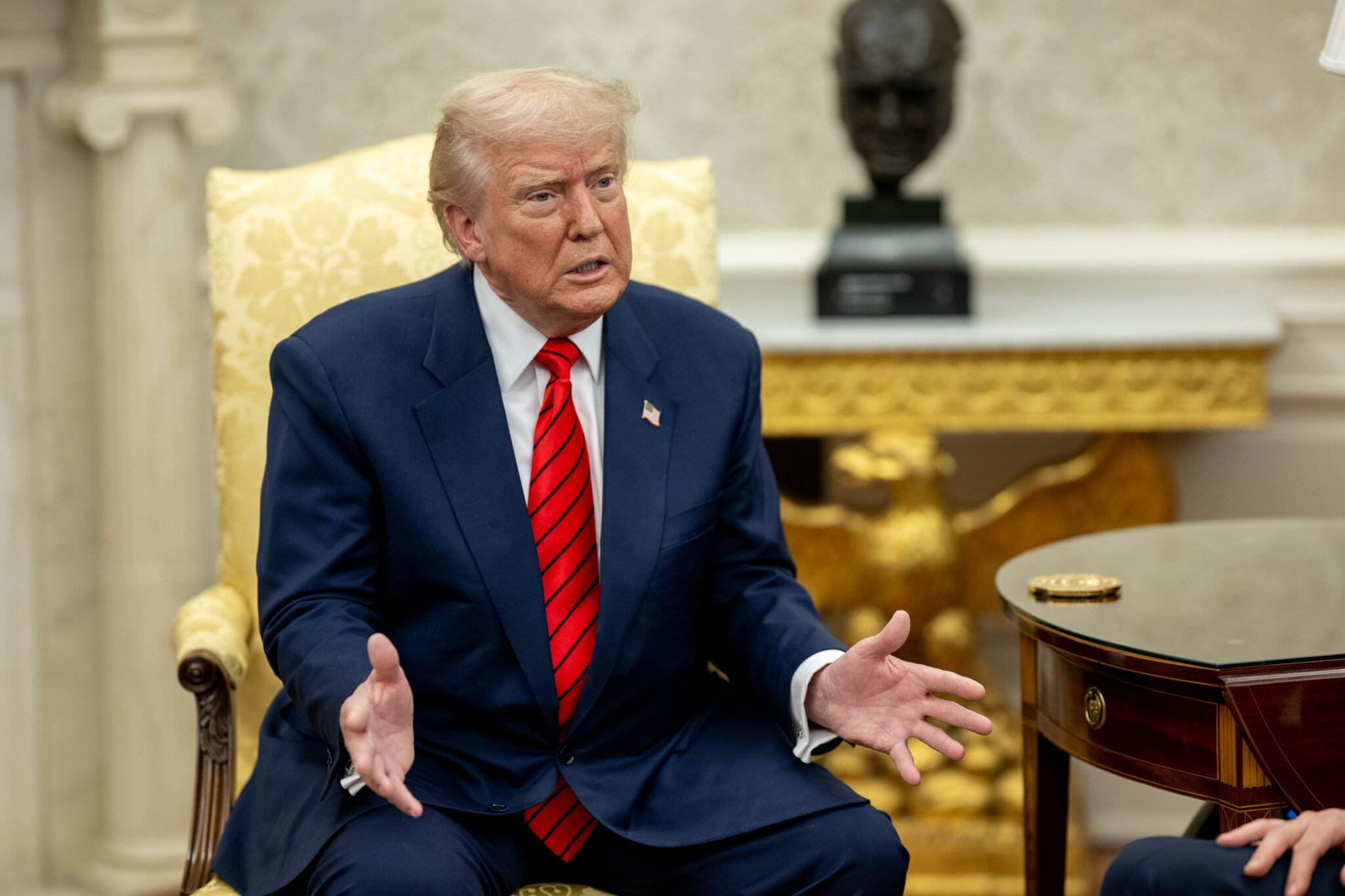
Gold prices opened Thursday’s Asian trading session on the back foot, with XAU/USD sliding to around $4,790, retreating from its recent record high near $4,888. The pullback comes as global markets reassess risk following comments from US President Donald Trump, who unexpectedly softened his stance on imposing tariffs against European countries linked to the Greenland dispute.
For weeks, geopolitical uncertainty had fueled strong demand for safe-haven assets, pushing Gold to historic highs. However, sentiment shifted after reports suggested Trump is stepping away from immediate tariff threats, injecting a wave of optimism into global markets and reducing the urgency to seek protection in Gold—at least for now.
Trump’s Shift Changes the Market Mood
According to Bloomberg, Trump said on Wednesday that he would back off from imposing tariffs on European nations that opposed his controversial ambitions regarding Greenland. More notably, he revealed that the United States and NATO had formed a framework for a future deal involving Greenland, hinting at a diplomatic path forward rather than an economic confrontation.
While details of the framework remain unclear, the market reaction was swift. Risk appetite improved, equities steadied, and traditional safe-haven assets—including Gold—came under pressure. For traders, the mere prospect of avoiding a new transatlantic trade conflict was enough to reduce near-term hedging demand.
This shift highlights how sensitive Gold prices remain to political headlines. When tensions escalate, Gold thrives. When diplomacy appears possible—even vaguely—some of that premium can quickly evaporate.
Is the Gold Bull Market Really Over?
Despite the pullback, many analysts argue that the broader bullish trend in Gold remains firmly intact. ING commodities strategist Ewa Manthey captured this sentiment well, noting that while Gold may be “pausing,” the structural drivers supporting higher prices have not disappeared.
Expectations for interest rate cuts, ongoing geopolitical risks, and robust central bank Gold purchases continue to skew the long-term outlook to the upside. Central banks, particularly in emerging markets, have been aggressively diversifying reserves away from fiat currencies, reinforcing Gold’s role as a strategic asset rather than a short-term trade.
In other words, Thursday’s dip may be less about a reversal and more about consolidation after an extraordinary rally.
Europe and the Risk of Renewed Tensions
Still, optimism remains fragile. Trump has not outlined what the Greenland “framework” actually entails, leaving room for renewed uncertainty. Reflecting this caution, Germany’s Finance Minister Lars Klingbeil warned markets against celebrating too early, emphasizing that trade threats could resurface if negotiations falter.
This lingering ambiguity matters for Gold. Any signs of renewed friction between the US and the European Union—especially involving tariffs—could quickly revive safe-haven demand and send prices higher again. In that sense, Gold remains tightly tethered to geopolitical headlines, with volatility likely to persist.
All Eyes on US Economic Data
Beyond politics, traders are now turning their attention to a heavy slate of US economic data scheduled for release later on Thursday. The market will digest the final reading of US Q3 Gross Domestic Product (GDP), weekly Initial Jobless Claims, and the closely watched Personal Consumption Expenditures (PCE) Price Index—the Federal Reserve’s preferred inflation gauge.
If these reports come in weaker than expected, the US Dollar could lose ground, providing fresh support for Gold prices. Since Gold is priced in dollars, a softer USD generally makes the metal more attractive to international buyers. Conversely, strong data could reinforce the Dollar and extend Gold’s short-term correction.
The Bigger Picture for Gold
Zooming out, Gold’s recent surge to record highs reflects deeper structural themes: growing skepticism toward fiat currencies, persistent geopolitical instability, and uncertainty around global monetary policy. Even as short-term optimism trims safe-haven demand, these forces remain very much in play.
For investors and traders alike, the key question is whether dips like this one represent selling opportunities or the start of a broader pullback. For now, the balance of risks suggests that Gold is cooling, not collapsing—waiting for the next catalyst to define its next major move.
Source: FXStreet
More News
Japan’s Tokyo CPI Cools Sharply in January, Raising Fresh Questions Over BoJ Policy Path
Tokyo Inflation Slows to 1.5%, Putting BoJ Rate Outlook Back in the...
GBP/USD Breaks Four-Year Highs as US Dollar Weakens and Markets Ignore Fed Calm
GBP/USD Explodes Higher as Dollar Cracks and Cable Hits 4-Year Highs. Source :...
Trump Says the US Dollar Is “Doing Great,” but Markets Tell a Very Different Story
Trump Praises Strong Dollar as Markets Push USD to Multi-Year Lows. Source :...
EUR/USD Rallies Toward 1.1870 as Dollar Slumps on Geopolitical Tensions and FX Intervention Talk
Dollar Shaken by Geopolitics, EUR/USD Jumps Toward 1.1870Source :...
USD/JPY Climbs Toward 158.50 as Softer Japan Inflation Puts Focus on BoJ Decision
USD/JPY Rises Near 158.50 as Yen Softens Ahead of BoJ VerdictSource :...
GBP/USD Trades Sideways Above 1.3400 as Markets Brace for Key US PCE and GDP Data
GBP/USD Stalls Above 1.3400 Ahead of US Inflation and Growth DataSource :...
USD/JPY Slips Toward 155.00 as BoJ Rate Hike Bets Grow and US Data Takes Center Stage
USD/JPY Weakens Near 155 as BoJ Hike Bets Clash With Key US Data.Source :...
USD/JPY Slips Below 153.00 as Markets Weigh Fed and BoJ Decisions Amid Renewed US-China Trade Optimism
USD/JPY Dips as Trade Hopes Meet Fed and BoJ Policy Uncertainty.Source :...
Japan’s Tokyo CPI in Focus: Inflation Data Could Set the Tone for USD/JPY Moves
Tokyo CPI Data Looms, USD/JPY Tests Critical 150 Threshold. Source :...
GBP/USD Slides Below 1.38 as Risk Aversion Lifts Dollar and Markets Brace for US Data Flood
Pound Falls Sharply, Dollar Gains as Markets Eye Key US DataSource :...